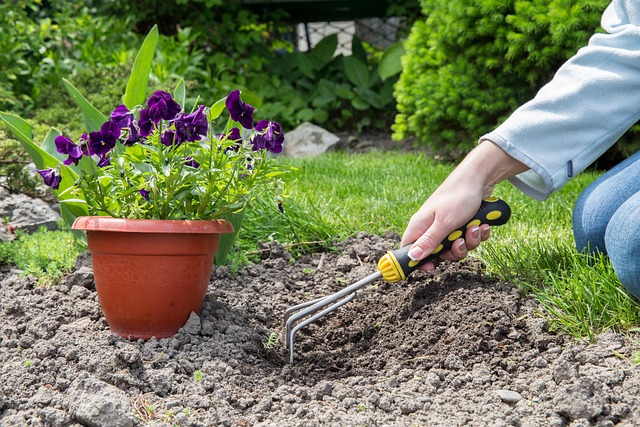
How to Start your Own Garden
As mentioned before, there are many different types of gardens, so first step in starting a garden is picking what kind of plants you want to grow. If you would like to grow organic and healthy food, you could consider a vegetable garden. Some ideas for what to grow include peppers, cucumbers, tomatoes, or squash. For those who are hoping to add color to your backyard, consider a flower garden. Some options are sunflowers, tulips, coneflowers, marigolds, or lavender. Lastly, you also have the choice of herbs to help with cooking, for example parsley, rosemary, chamomile, basil or sage.
Next steps in the gardening process is picking where you want to grow your garden and clearing the ground to add soil. According to Better Homes & Gardens, choosing the right spot is important because of sunlight exposure and ground level. Most gardens “need 6-8 hours of hours of full sun each day”, so ensure you plan where the garden will be grown. The ground should be cleared of weeds and other things, so your garden has a clean and flat landscape. After preparing the soil of the ground, you can start adding compost to the plant beds. Detailed steps on preparing your plant bed can be found here at Better Homes & Gardens.
Lastly you need to gather gardening tools, so you are able to start working with the plants. As Better Homes & Gardens mentioned, some essential tools for beginners include gloves, shears, watering can or hose, garden kneeler, shovel and spade. After you have a proper plant bed, you can start planting using tools. Some things to keep in mind to help your plants survive during each season is planting them at the right time of year. Better Homes & Gardens also has tips on when and how exactly to grow some plants on their website, so do not hesitate to visit it to gain more insights that were not mentioned on this site.
Move to the next webpage located near the top of this page, labeled Caring for your Garden to learn about how to maintain and care for your garden after you have completed the process of planting.